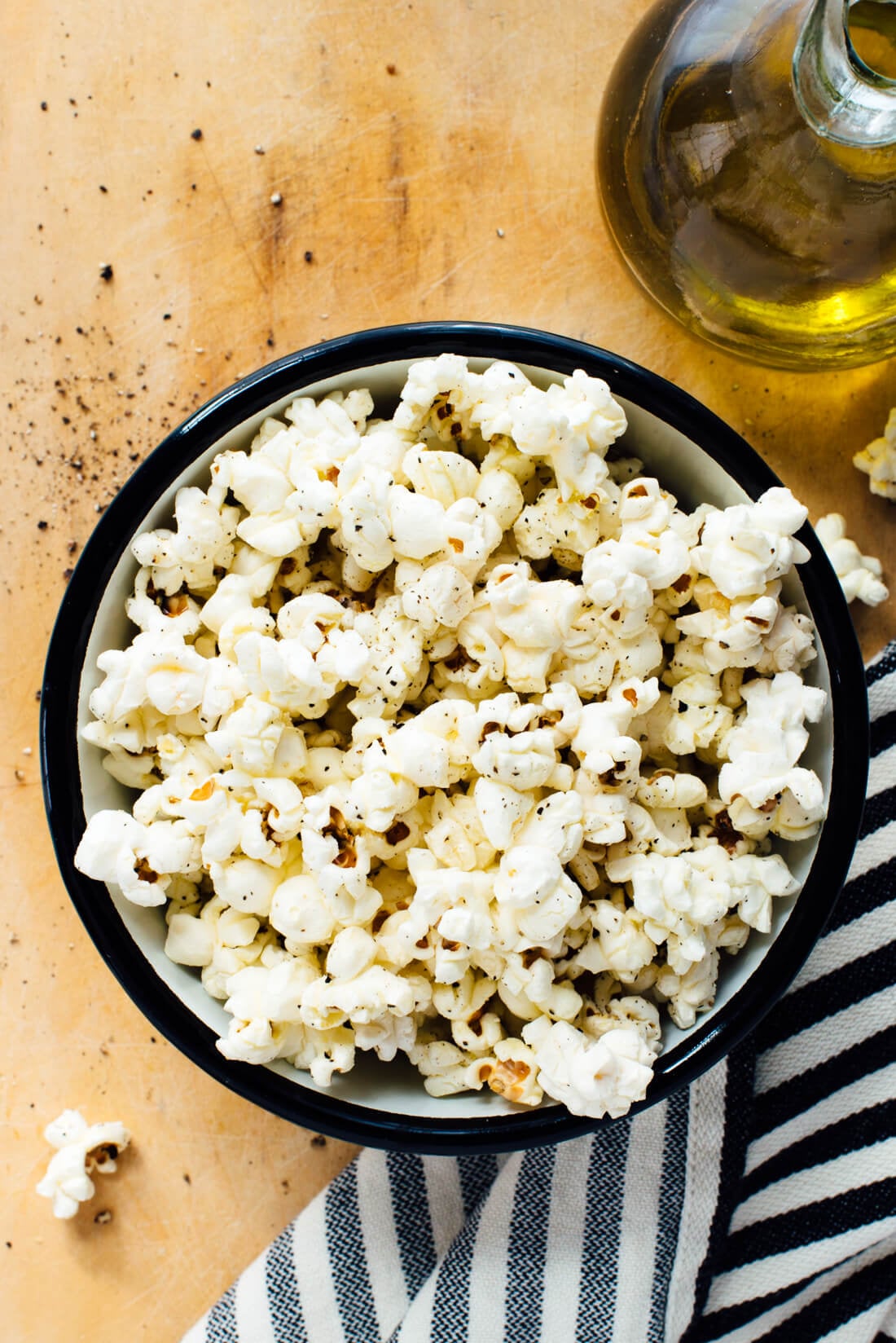
Unlock the Secret to Perfect Homemade Stovetop Popcorn
There's a universally satisfying joy that comes from a bowl of freshly popped popcorn, and while microwave bags offer convenience, nothing compares to the light, fluffy, and utterly addictive crunch of homemade stovetop popcorn. This classic snack, deeply rooted in culinary history, is surprisingly easy to master. Forget burnt kernels and unevenly popped batches; with a few simple steps and the right approach, you can transform humble popcorn kernels into a magnificent treat in under five minutes. It’s the ultimate reward for any movie night, a quick afternoon pick-me-up, or just because you crave that perfect buttery, salty kick.
Beyond its incredible taste, making popcorn on the stove offers a healthier alternative to many pre-packaged options. You control the ingredients, allowing you to create a wholesome, fiber-rich snack that’s as virtuous or indulgent as you desire – butter lovers, we see you! If you’ve ever wondered
how to make stovetop popcorn - Article 1 that's consistently good, you're about to discover a foolproof method that will make you a popcorn-popping pro.
Why Stovetop Popcorn Reigns Supreme
Many people default to microwave popcorn, but the stovetop method offers distinct advantages:
- Superior Flavor & Texture: Stovetop popcorn boasts a fresher, more robust corn flavor and a delightful, airy texture that microwave varieties rarely achieve.
- Healthier Control: You choose the type and amount of oil, salt, and seasonings, avoiding artificial flavors, trans fats, and excessive sodium often found in pre-packaged options.
- Cost-Effective: Buying bulk kernels is significantly cheaper than individual microwave bags.
- Eco-Friendly: Less packaging waste compared to microwave options.
- Pure Satisfaction: There’s an undeniable charm and satisfaction in watching kernels burst into fluffy clouds right before your eyes.
The Essentials: Gear and Ingredients for Perfect Popcorn
Before you dive into the popping process, gathering the right tools and high-quality ingredients is paramount. Just like any good recipe, success begins with the foundation.
Choosing the Right Pot
The pot you use plays a crucial role in achieving that perfect, even pop. You'll want a pot that heats up quickly and maintains consistent temperature.
- Material: A sturdy, deep stainless steel pot with a well-fitting lid is your best friend. Stainless steel conducts heat efficiently without being excessively heavy.
- Size: An 8-quart pot is ideal for making family-sized batches (around 4 servings), ensuring ample space for the kernels to expand without overflowing.
- Avoid Heavy Cookware: Steer clear of super heavy pots like cast iron Dutch ovens. While excellent for many dishes, their thick walls retain too much heat, making it harder to control the temperature and increasing the risk of burning your popcorn. You need a pan that can heat up *and cool down* relatively quickly.
- Lid: A clear glass lid can be helpful for observation, but any tight-fitting lid will do to trap heat and prevent popcorn from escaping.
Selecting Your Oil
The right oil is essential for heating the kernels to their optimal popping temperature without smoking or imparting undesirable flavors. The key is to choose an oil with a
high smoke point.
- High Smoke Point Oils: These oils can be heated to a higher temperature before they start to smoke and break down, which is exactly what you need for a rapid, even pop. Excellent choices include:
- Coconut Oil: A favorite in many movie theaters, it imparts a subtle, slightly sweet flavor.
- Canola Oil: A neutral-tasting and widely available option.
- Corn Oil: Naturally complements the popcorn flavor.
- Avocado Oil: Boasts one of the highest smoke points and a very neutral flavor.
- Grapeseed Oil: Another neutral option with a high smoke point.
- Amount: The oil should just barely cover the bottom of your pot. Too little, and kernels won't heat evenly; too much, and your popcorn will be greasy.
Quality Popcorn Kernels
While often overlooked, the quality and freshness of your popcorn kernels make a difference. Opt for reputable brands and store them in an airtight container in a cool, dark place to maintain freshness. Fresh kernels lead to a higher popping rate and fluffier results.
Step-by-Step Guide: How to Make Stovetop Popcorn Like a Pro
Ready to create that perfect batch? Follow these simple steps for light, fluffy, and never-burned popcorn.
- Prepare Your Pot: Place your chosen large (e.g., 8-quart) pot over high heat on your stovetop.
- Add the Oil: Pour in your preferred high smoke point oil. The oil should cover the bottom of the pan in a thin layer.
- Heat the Oil (The Test Kernel Trick!): Heat the oil until it's visibly rippling but not yet smoking. To ensure the oil is at the perfect temperature, add 2-3 popcorn kernels to the pot. Cover with the lid and wait for these "test kernels" to pop. This indicates the oil is ready for the rest of your batch.
- Add the Kernels: Once the test kernels pop, remove the lid, add the remaining popcorn kernels, and shake the pot gently to spread them into a single layer on the bottom. Do not overcrowd the pot; leave enough room for expansion.
- Cover and Reduce Heat: Immediately place the lid back on the pan and reduce the heat to medium. This initial high heat followed by medium is crucial for a strong start without burning.
- Listen and Shake: As the kernels start popping, shake the pan every so often (a few times per minute) to ensure even heat distribution and prevent kernels from sticking and burning at the bottom. The key here is to listen. The kernels should pop in a rapid-fire, continuous burst.
- Know When to Stop: Continue shaking and listening. As soon as the popping slows dramatically – to just a few kernels popping at a time (e.g., 2-3 seconds between pops) – immediately turn off the heat. Don't wait for the last kernel, as residual heat will continue to cook the popcorn, and you risk burning the entire batch.
- Season Immediately: Carefully remove the lid (beware of residual steam!). Immediately add your desired salt and seasonings. Generously salt the top layer, then tap the pot up and down on the stove or gently shake it to help distribute the salt downwards.
- Layer and Serve: Pour about half of the popcorn into a large serving bowl. Salt the remaining popcorn in the pot again, tap to distribute, and then add it to the bowl with the first half. This layered salting technique ensures every bite is perfectly seasoned.
Mastering the Art: Tips for Fluffy, Never-Burned Popcorn
Achieving perfectly light and fluffy popcorn every time is a skill that comes with a little practice, but these tips will put you on the fast track to success.
- Temperature Control is King: The initial high heat is essential for a quick, vigorous pop, but reducing it to medium prevents scorching. Constantly monitor the heat and adjust if you notice kernels browning or smoking too quickly.
- Don't Peek Too Often: Resist the urge to lift the lid constantly. Each time you do, you release trapped steam and heat, which are vital for the popping process and can lead to unpopped kernels.
- Shake it Right: Shaking isn't just to prevent burning; it also ensures that unpopped kernels fall to the bottom, where the heat is most intense, for a more complete pop. A gentle, continuous back-and-forth or circular motion works best.
- Listen, Don't Watch: Your ears are your best tool! The sound of the popping kernels is the most accurate indicator of when to turn off the heat. Trust the rhythm. If your kernels are popping just a few at a time for a long stretch without gaining speed, they might be getting too dark. A quick peek might be necessary, but if you smell burning, it might be worth starting over for a fresh batch. It's a small price to pay for delicious, unburnt popcorn!
- Fresh Kernels for Best Results: Old or stale kernels don't pop as well, leading to many "old maids" (unpopped kernels) and tougher texture.
For more expert tips and tricks on perfecting your technique, be sure to check out
how to make stovetop popcorn - Article 2.
Beyond the Basics: Seasoning Ideas and Serving Suggestions
While classic salt and butter are always a winner, stovetop popcorn is a fantastic canvas for culinary creativity.
Creative Seasoning Blends
- Classic Butter Bliss: Melted butter drizzled over warm popcorn is a timeless favorite. Clarified butter (ghee) adds an even richer flavor.
- Cheesy & Savory: Nutritional yeast offers a delicious, dairy-free cheesy flavor. Combine with garlic powder, onion powder, and a pinch of salt for a savory blend.
- Spicy Kick: A sprinkle of chili powder, smoked paprika, or cayenne pepper can add a pleasant heat.
- Sweet Treat: Dust with cinnamon sugar or a mix of cocoa powder and powdered sugar for a dessert-like experience.
- Herbal Infusion: Dried herbs like dill, rosemary, or Italian seasoning can elevate your popcorn to gourmet status.
- Umami Bomb: A dash of truffle oil or a sprinkle of finely grated Parmesan cheese provides a luxurious, umami-rich flavor.
Serving Suggestions
Serve your freshly popped stovetop popcorn immediately for the best taste and texture. It's perfect for:
- Movie nights and binge-watching sessions
- Quick, healthy afternoon snacks
- Party appetizers (with various seasoning options)
- A light dessert (with sweet toppings)
If you have leftovers, store them in an airtight container at room temperature for up to a day or two, though it's best enjoyed fresh.
Conclusion
Making stovetop popcorn is truly one of the most rewarding and straightforward cooking projects you can undertake. With minimal effort and just a few minutes, you can create a snack that far surpasses its microwave counterpart in flavor, texture, and overall enjoyment. By understanding the importance of the right equipment, proper oil, and mastering the subtle art of heat control and listening, you're now equipped to make flawless, fluffy, and never-burned popcorn every single time. So, grab your kernels, choose your favorite pot, and get ready to indulge in the simple pleasure of perfect homemade stovetop popcorn!